Wakefield Telephone Exchange
Contents
The introduction of telephony to New Zealand in 1877 marked the beginning of a transformative era, gradually connecting towns and rural communities through this emerging technology. By the end of 1884, Nelson City had become home to one of only five telephone exchanges in the entire colony, highlighting the region’s early commitment to modern communication. Over the following decades, the demand for telephone services continued to grow as reliable connectivity became essential for both industry and daily life. Against this backdrop, the opening of the Wakefield Telephone Exchange in 1910 represented a major milestone for the township. Its establishment provided residents and businesses with direct access to the national network, strengthening Wakefield’s links to the wider region and contributing to its social and economic development.
Timeline
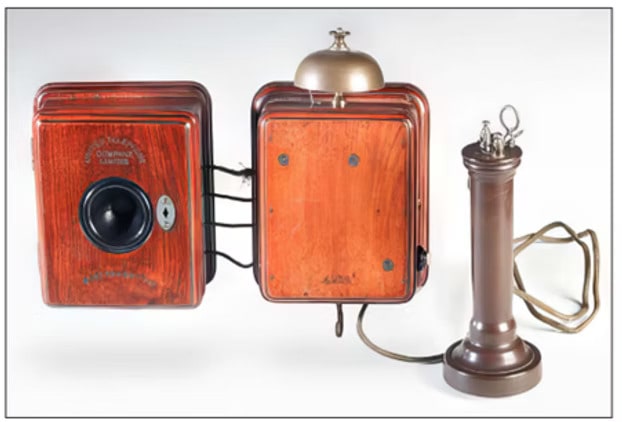
The history of the Wakefield Telephone Exchange is a fascinating story pieced together through old newspaper articles, advertisements, and community correspondence. Early telephone access in the district was provided through small bureaux at local railway stations, reflecting the slow but steady spread of telephony into rural New Zealand. This changed in 1910 with the opening of a dedicated manual exchange in the newly built Wakefield Post Office, giving the township its first direct link to the national network. In April 1976, the exchange was converted to an automatic system, marking a new chapter in Wakefield’s long evolution of communication technology.
1877: The Wonder of Telephony Reaches New Zealand
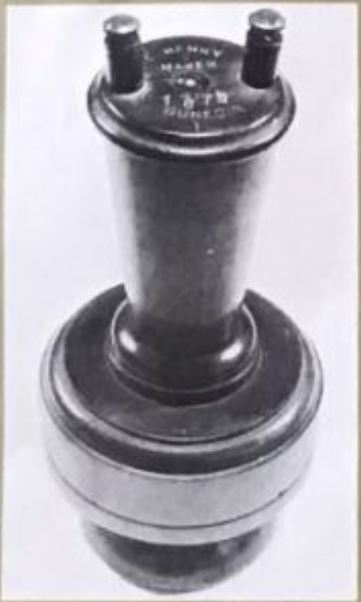
News of a remarkable invention – the electrical transmission of sound, or telephony - prompted Inspector of telegraphs for Otago Province, Mr J K Logan to challenge his staff to construct a working model of the new telephone. Alois Lubecki, Dunedin telegraph office manager and Charles A.Henry, mechanician, worked from an illustration of Bell’s telephone published in the October Scientific American until January 1878 the telephone was ready. Post Office men set up a connection using existing telegraph wires over 36 miles (57.9 kms) between the Tokomairiro (Milton) and Dunedin Post Offices and on February 2 a very successful demonstration of the telephone took place.1
1879 May 5: Telegraph Office Opened in Wakefield
A Telegraph office was opened at the Wakefield Railway Station and rudimentary point to point telephone stations were set up in some areas as early as 1883. Telephone Bureaux established at Post Offices in small settlements provided a public link into the national telegraph network. The Postmaster telephoned messages to the nearest office where it was coded into Morse and sent along the wires as usual. However it was to be many years before a bureau was established in Wakefield.
1884 July 18: Nelson City Telephone Exchange
The Nelson Evening Mail reported the instruments for establishing a telephone exchange in Nelson were enroute, and erecting the wires was already underway in preparation for their arrival. At year’s end, Nelson City had one of only five telephone exchanges in the Colony.2
1891 May: Stoke Telephone Bureau
A telephone bureau with the Nelson Exchange was opened in Stoke from 9am to 6pm Monday to Saturday, closed on Sundays and holidays. Residents in other areas soon petitioned for bureaux when they reached the required number of 30 subscribers and proved the bureau would be self-supporting.
1897 July 20: Request to Expand the Telephone Exchange Network
A Brightwater correspondent wrote to the Nelson Evening Mail regarding the sole Stoke bureau and asked: “Could this not be extended to Richmond, and then onto Brightwater, Spring Grove, Wakefield and Belgrove? And then all these stations would be connected with the Nelson Exchange. This would be a great boon to our businessmen and even the farmers of the districts named, as they would be able to speak directly to the businessmen of the city. It would also no doubt be found useful in connection with our railway.” 3
1898 May 10: The Medical Connection
Wakefield’s Dr Pearless and Richmond’s Dr Boyd partnership established a branch surgery at Mr W. Jones’s, Brightwater, to be connected by telephone with their Wakefield and Richmond surgeries. In early May, the linemen were “adjusting a telephone wire between Richmond and Wakefield in the interest of the medical profession, thereby enabling Drs Boyd and Pearless to have the speediest communication or consultations”. 4
1898 July 13: Calls for a Public Service
A request was raised in Parliament to establish telephone bureaux at or near the railway stations in Richmond, Brightwater and Wakefield to facilitate business transactions between these districts and the city of Nelson by direct telephonic communication. The Premier responded connecting these towns by telephone would be 70 pounds for the seven miles of extra line required, an additional 40 pounds for sound-proof houses and the Post & Telegraph Department was of the opinion that there would be no increase in business.5 While the request for Bureaux was deferred, in the next few years telephone stations continued to be opened throughout the district, including at Stanley Brook (1902) and Golden Downs (1903). In addition the Doctors in Wakefield were connected with the Nelson Exchange at night.
1906 May 24: Progress through Persistence
Peter Higgins and Ivo Tunnicliff from the Wakefield Branch of the Farmers’ Union petitioned visiting Acting Postmaster-General and Commissioner of Telegraphs, the Hon. A. Pitt, for the establishment of telephone bureaux at Wai-iti and Belgrove. The delegates outlined the benefits of timely communication with the doctors in Wakefield and with Mr Barnes, Nelson’s only veterinarian who resided in Stoke, if they were connected to the Telephone Exchange in Nelson. The telephone office at Wai-iti had been self-supporting for the previous two years and they assured the Minister that the large population in these districts would support the bureaux. 6
1906 July 21: Telephone Bureau at Wakefield
"The establishment of the Telephone Bureaux at Wakefield and intermediate stations as far as the Sherry River, has been put in hand. The Telegraph linemen are engaged putting up the extra wire required, and making other alterations necessary for the extension of the telephone system, and extension that will be much appreciated by the settlers, and it will have the tendency to bring the town and country into closer touch and do away with many of the disabilities of country life, besides being a great help in cases of accident or sudden sickness, saving time, and in many instances delay in getting medical advice."7
1907 December 11: Limitations of the Telephone Service
A series of letters to the Editor prompted by a meeting of local businessmen, highlighted concerns about the local station/postmaster’s workload and the need for improved public telephone access. Storekeeper E.W Hodgson described the hours worked as excessive, the public telephone situated at the railway station being of little use due to the delays being able to use it, and more assistance being necessary. Lobbying continued and in 1909 the ground floor plan for the new Wakefield Post Office included dedicated spaces for both telephone bureau and a future telephone exchange.
1909 May 29: Advance Wakefield!
The Wakefield Progressive Association was formed, to facilitate improvements for the township including street lighting, a new library and river protection. At their October meeting a suggestion was put forward to secure direct telephonic communication between Wakefield, Pigeon Valley, Church Hill, Dovedale and Thorpe.8
1910 January 17: New Era of Connection Begins
With the new Wakefield Post Office opening came renewed calls for the extension of telephone services for the district. In May, Dovedale resident Mr J. W. Win petitioned the Wakefield Progressive Association committee to request government establish direct telephonic communication between Wakefield and Thorpe, with an office at Dovedale. The current arrangement saw only one telephone station at the extreme end of the long Dovedale Valley, and that service went through Motueka and Tapawera.9
1910 September 30: New Telephone Exchanges
“The telephone exchange at Wakefield will be opened tomorrow; and it is expected that the exchange at Richmond will be opened in a few days. These exchanges will replace bureaux.”10
1910 October 1: News of the Day
“The telephone exchange at Wakefield will be opened for business today. This exchange has communication with Nelson via a superimposed metallic circuit, and thus the inductive noises from adjacent wires will be absent.”11
Centenarian Recalls Time as Wakefield Exchange Operator
Audrey McGregor (nee Tunnicliff) was born in October 1925, and in 1943 aged 18 she started work at the telephone exchange. There was just the one switchboard in a small square room with a fireplace and a single window. She cycled 3 miles from her home at Wai-iti to begin her shift at 6am; on arrival she opened up, rang the Nelson Exchange first to check in, then the forestry lookouts so they knew the Wakefield exchange was open. Next, she cycled to the Railway Station with the mailbag, where the guard would hop off the train and collect it. Cycling back to the Post Office she would check in with the Nelson Exchange again.
Two years later aged 20 Audrey transferred to the Nelson Telephone Exchange, where she was one of 18 operators. She was in her forties when she reprised her job at Wakefield as her children were at college. Audrey was then an exchange operator in the afternoon and did mail delivery in the morning, after first sorting it. The delivery route included Church Valley, Spring Grove, Pigeon Valley, Wakefield Village and 88 Valley. Her mail delivery loop was 8 miles all up on a Sports bicycle she had bought herself at age 12. After her morning run, she had lunch, then worked at the Exchange until 5pm, before cycling home.12
At first the exchange was shut down over night, then by public demand it stayed open until midnight. It was not until the late 1950s that a continuous service was implemented.
Plugs and Shutters
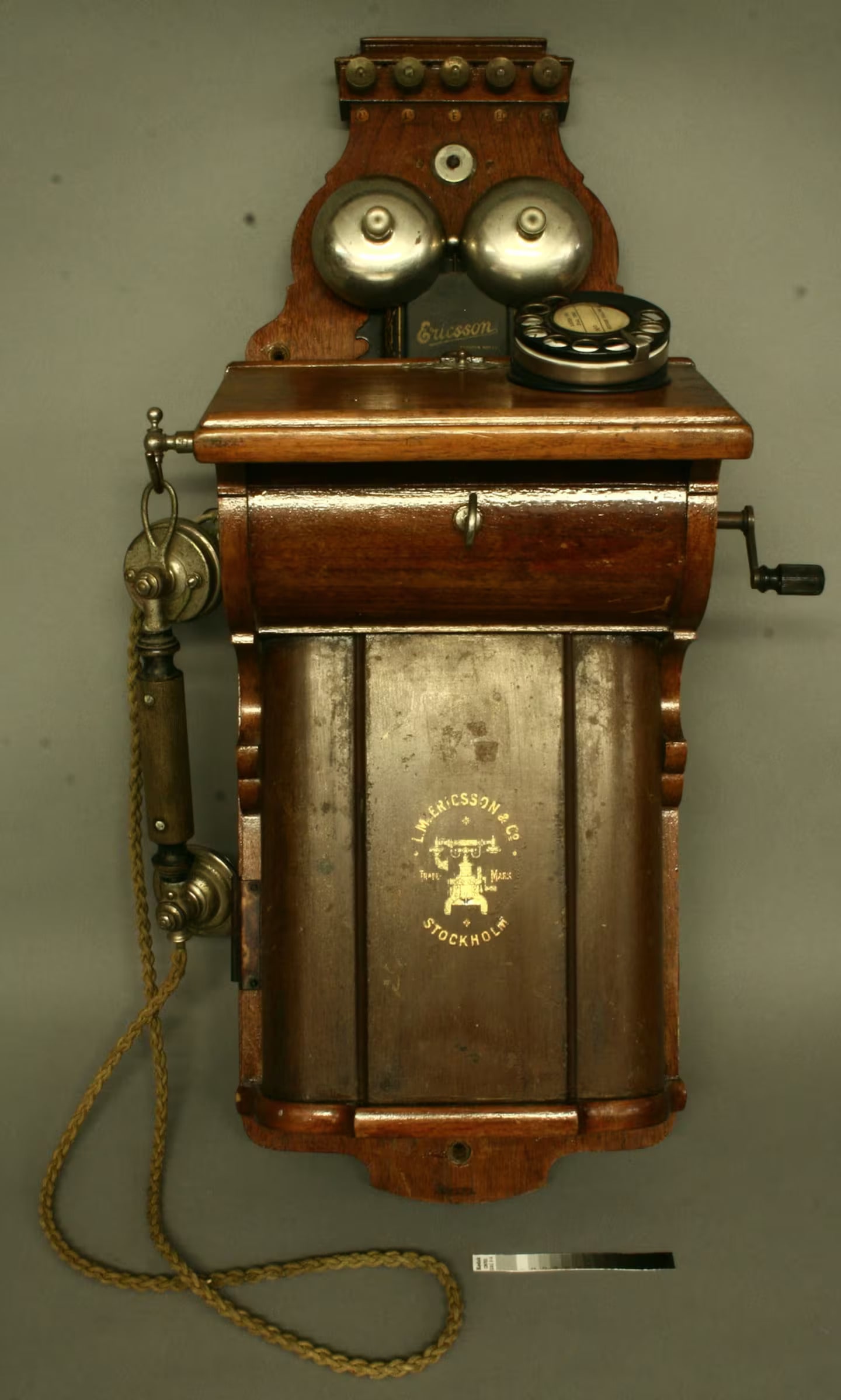
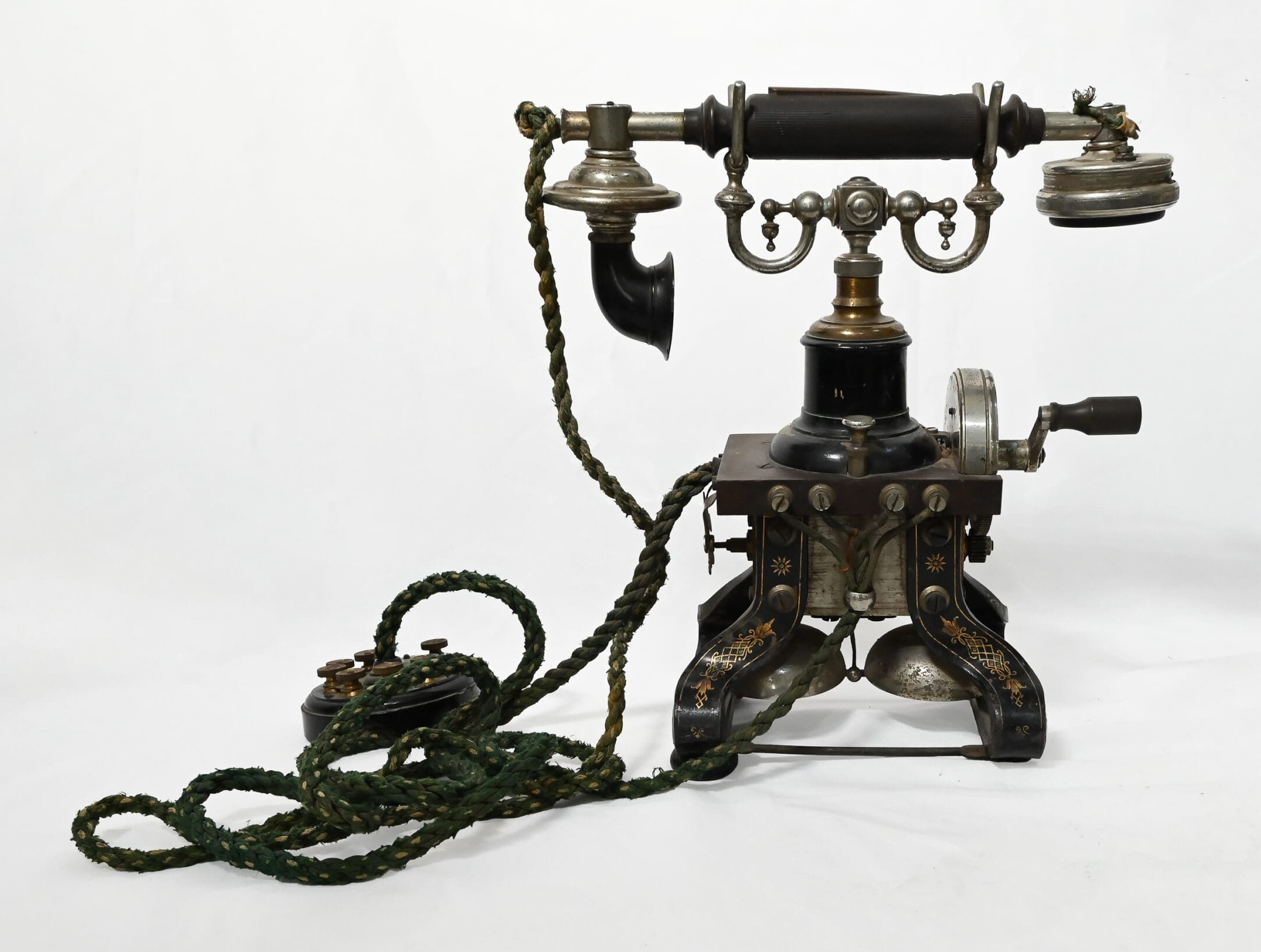
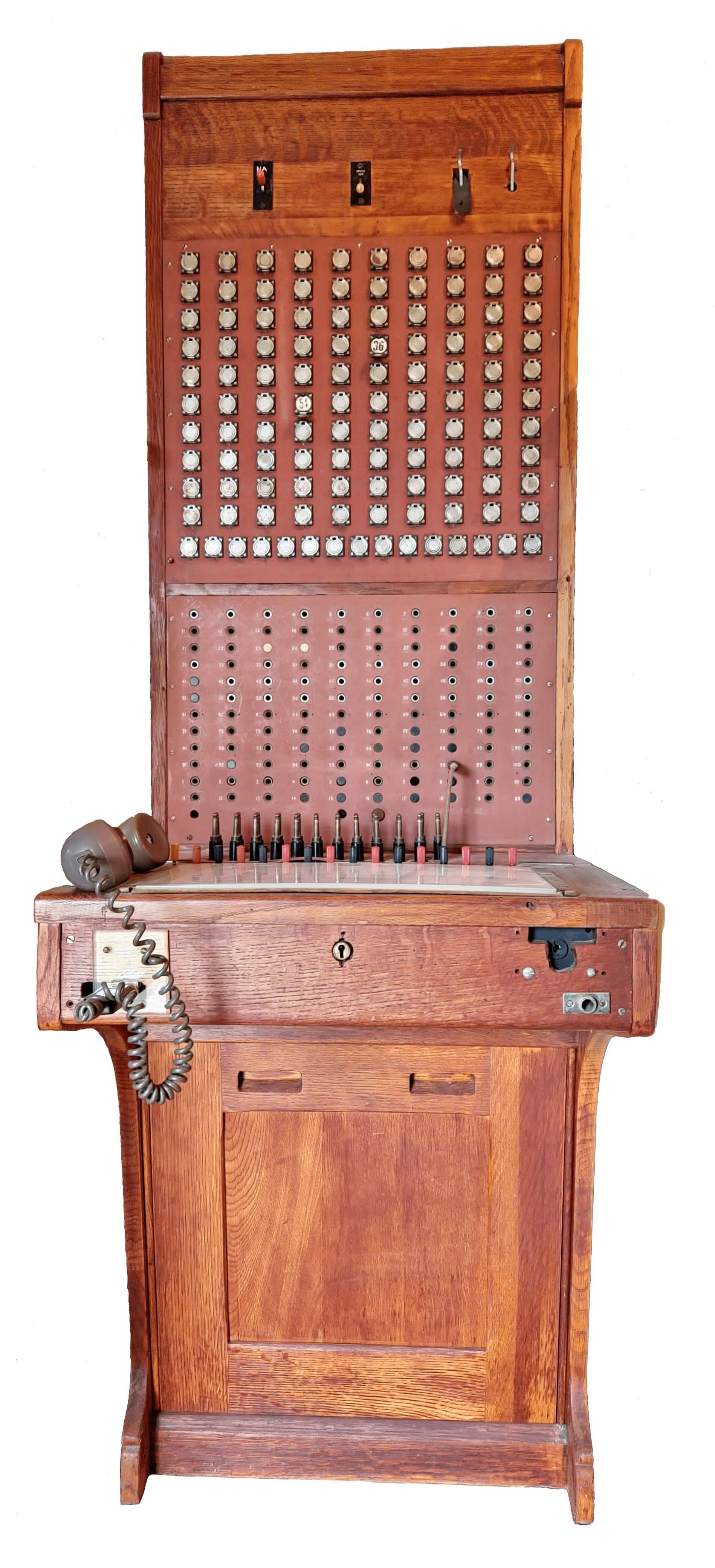
To make a call, the householder rang the handle on their phone and waited for the operator at the switchboard to answer. The board contained 100 shutters and when the call was made the corresponding numbered shutter would drop, alerting the operator with their headphones on to answer the call with “number please”. The operator plugged the cord into the required line, then used the switches to make short or long rings.
After the call the householder gave a short ring on their handle, when the shutter dropped on the board, the operator plugged into the line and asked “still working?” If there was silence, they disconnected the call.
Should the house holder be on a “party line”, where up to 11 country homes shared a single line, each of those houses had a unique ring based on Morse short and long sounds associated with their number. The Post Office determined how many telephones were on a party line and allocated alphabet letters to them.13
Fire Station Alarm
The Fire alarm was at the back of the rest room; the switch was located behind the switchboards. The operator would answer a call, decipher what was wrong, then leap up and press the switch. They would then plug into the fire station and wait for the first person to arrive there to whom they would pass on all the details. When the alarm went off it made a terribly loud noise. The alarm was rung at 9am every Monday to test the system.13
Keeping Track of Time
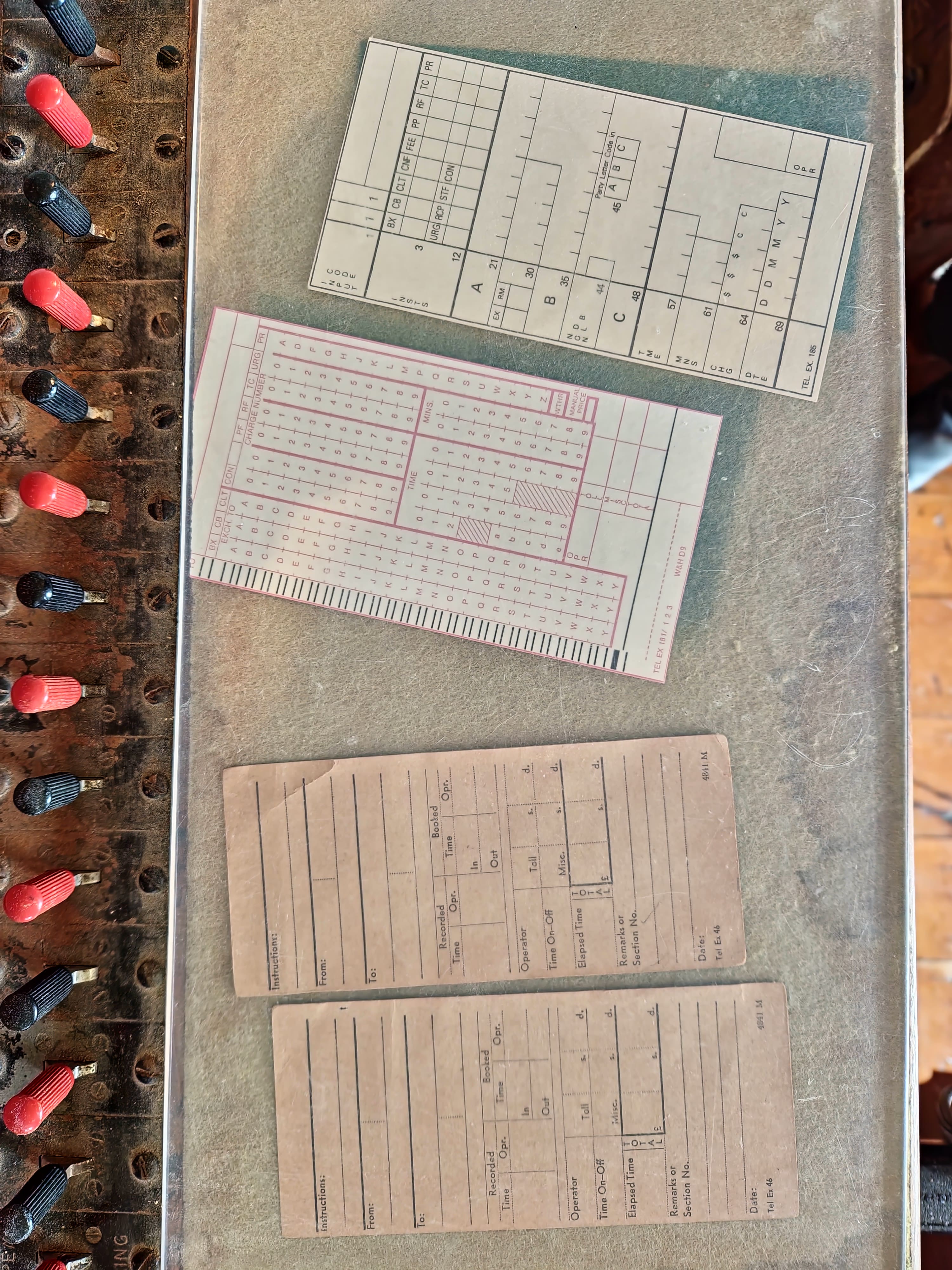
The operators had a stack of call record cards. They would write down where the call was from, who the customer wanted to call, and if it was busy get their number to call them back when a line became free, there was only a certain number of lines available for outward calls.
Sometimes while a telephone conversation had been going for some time, there were multiple requests to call that certain number. In this case the operator might politely intervene and say “excuse me, we have several requests for this number” to try and expediate the call being completed.13
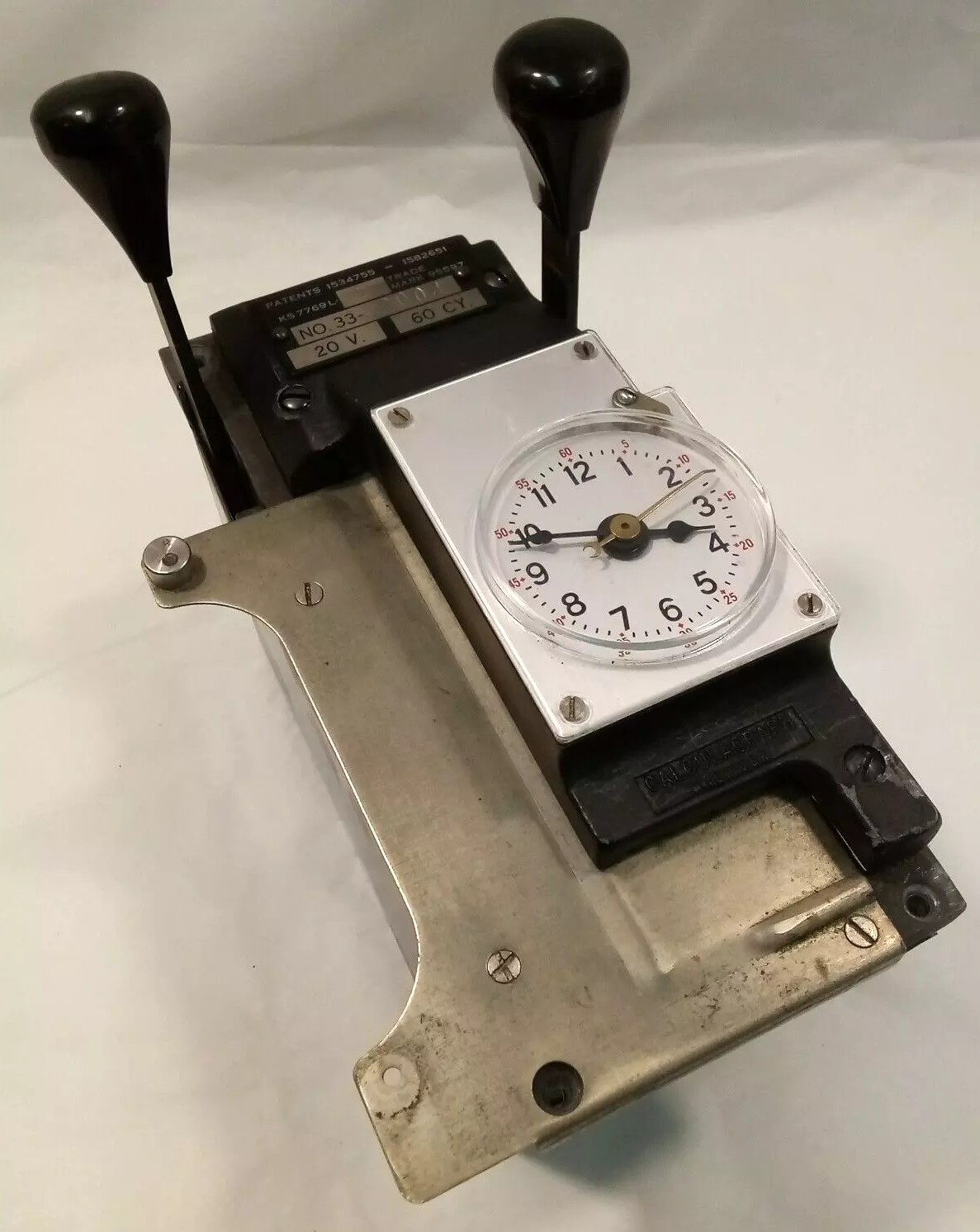
Later the record card was inserted into a machine called a calculagraph. Pulling the first handle would put a time stamp onto the back of the card and when the call was finished the operator pulled the other handle which added another time stamp. This enabled the counter staff processing the cards to work out the charge and add it to the customer’s phone account. To put people through to the Toll Board, the operator would plug the caller into that board and then into their own board.14
Routine & Responsibility
Dorothy Eden worked on the exchange before she married in 1969. There were three switchboards, two for personal connections and the third board at the end was for toll calls - businesses and out of town.
At the beginning of her shift, Dorothy used to ring the Greenhill and Golden Downs forestry lookouts. 7am – 1pm was her favourite shift, she liked to be there about 6.50am to let the night shift operators off, who had started at 10pm. She often worked an afternoon split shift 1pm until dinner, then came back until 10pm when the night shift began. Every Friday the exchange headsets were cleaned with disinfectant.
Wakefield handled exchange work for Golden Downs and Thorpe. There was a telephone box at the Forestry camp and on Radio Nelson’s popular dial-a-tune evening the men would be lined up in a queue outside to request their song. Dorothy recalled it being hard getting a line through!
Dorothy remembers pure chaos when the Wahine sank in April 1968. There was a lot of responsibility on the operators, people were calling to find out about their relatives, the operators had to explain that they didn’t have an automatic line to Wellington and had to keep trying until a line became available.
In May Dorothy started her shift just as the Inangahua earthquake struck. Once again it was incredibly difficult trying to help people desperate for news of their relatives. It was months before a connection with Inangahua was re-established.13
The “Dog Watch”
Garfield Ellery worked on the Wakefield Exchange after some time spent as a postman and on the front counter. He often worked on the overnight shift, known as the “dog watch”, from midnight to 8am. Operators on this shift had to clean the Post Office, but once the chores were done they could kick back and doze off. Every morning around 4.30am a party line shutter would go down, loud enough to wake the operator. The call was between mother and son in two farming households as a wakeup call!14
1976 April “Voices Pass”
The Nelson Evening Mail printed a story on the conversion of Wakefield’s telephone exchange from manual switchboard to the new automatic system.
“The switch was made at 9 p.m. with no hitches. The switch triggered:
The full staff including one retired operator witnessed the switch, with six on-duty officers closing the manual system off being watched by the six off-duty operators.
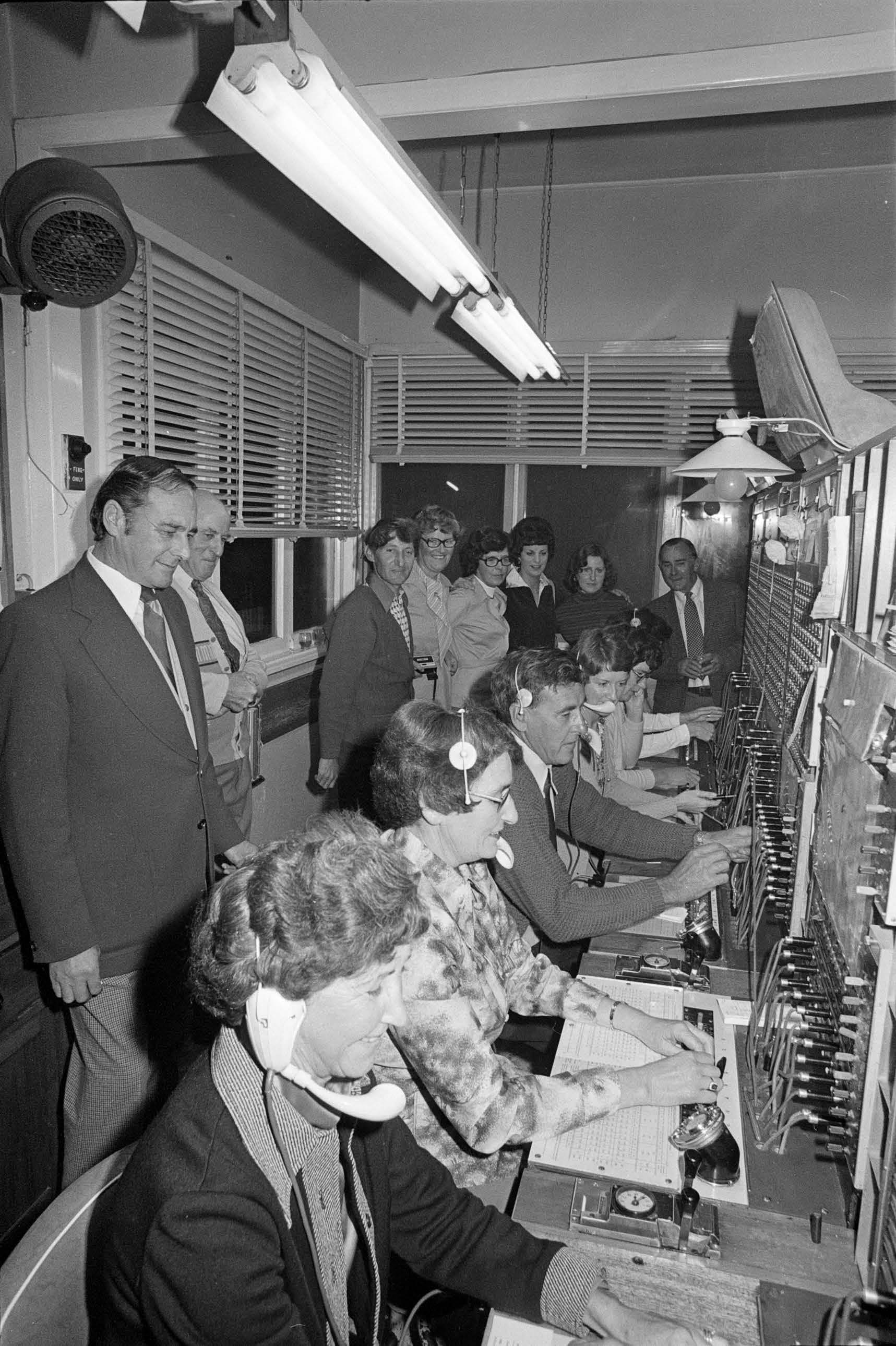
(Nelson Provincial Museum, Geoffrey C Wood Collection: GCW3.3190_fr15).
Back row (L to R): Postmaster, Mr R.D. Tyndall; Mr D.F. Baigent - retired; Off-duty - Mr L.A. Neumann, Mrs M.T. Van Zoelen, Mrs N.M. Sowman, Mrs P.D. Perring, Mrs R.J. Thompson, Mr P.L. Robinson.
Front row (L to R): Mrs A.N. McGregor (nee Tunnicliff, Centenarian section), Mrs E.D. Davies, Mrs L.K. Inwood, Mrs V.M. Darlington, Mrs M.M. Reade and Mrs W.A. Gibbs.”15
Where is the story located?
The Wakefield Telephone Exchange post is located in the old Post Office Strongroom as a part of our installation.
Agumented Reality Experience
Our Augmented Reality (AR) app is currently under development. The app will allow posts to be scanned, bringing the stories into life!
References
- Otago Daily Times. (1877, February 2). P.2.
- Nelson Evening Mail. (1884, July 18). P.2.
- Nelson Evening Mail. (1897, July 20). P.2
- Colonist. (1898, May 10). P.2.
- Colonist. (1898, July 27). P.3.
- Colonist. (1906, May 24). P.2.
- Colonist. (1906, July 21). P.4.
- Colonist. (1909, October 11). P.4.
- Colonist. (1910, May 20). P.1
- Nelson Evening Mail. (1910, September 30). P.6.
- Colonist. (1910, October 1). P.2.
- Audrey McGregor (nee Tunnicliff). (2025, March 13).
- Dorothy Eden. (2025, June 16).
- Garfield Ellery. (2025, July 6).
- Nelson Evening Mail. (1976, April 29). Nelson Evening Mail.
- New Zealand Post Office. (1970). Early Telephony - New Zealand Post Office [Old Poster]. Unicorn Bookshop. https://www.unicornbooks.co.nz/book/old-poster-early-telephony-new-zealand-post-office
- Garland, R. (2018, December 17). Ericsson wall mounted telephone, 1880s [Photograph]. Whanganui Chronicle. https://www.nzherald.co.nz/whanganui-chronicle/news/museum-notebook-hello-operator-can-you-please-connect-me-to/ALAMFQZMEA5XBEKTY256YITJJE/
- Teffer, N. (2024, June 13). Skeletal telephone, Ericsson, 1895 [Photograph]. Storyplace. https://storyplace.org.au/story/crank-calling/
- Clayman, A. (2020, March 29). Chicago telephone supply Co., est. 1896. Made-in-Chicago Museum. https://www.madeinchicagomuseum.com/single-post/chicago-telephone-supply-co/
- Story thumbnail: Wakefield Telephone Exchange, 1977. (Nelson Provincial Museum, Geoffrey C Wood Collection: GCW3.3190_fr15).